Elimination of Secondary Drop Hazards
Removing hanging limbs prevents dangerous delayed falls days or weeks after the initial storm event.
Post-storm cleanup, hanging branch extraction, and multi-tree hazard removal across Mount Sheridan.
Post-storm tree cleanup across Mount Sheridan, Forest Gardens, and southern Cairns.
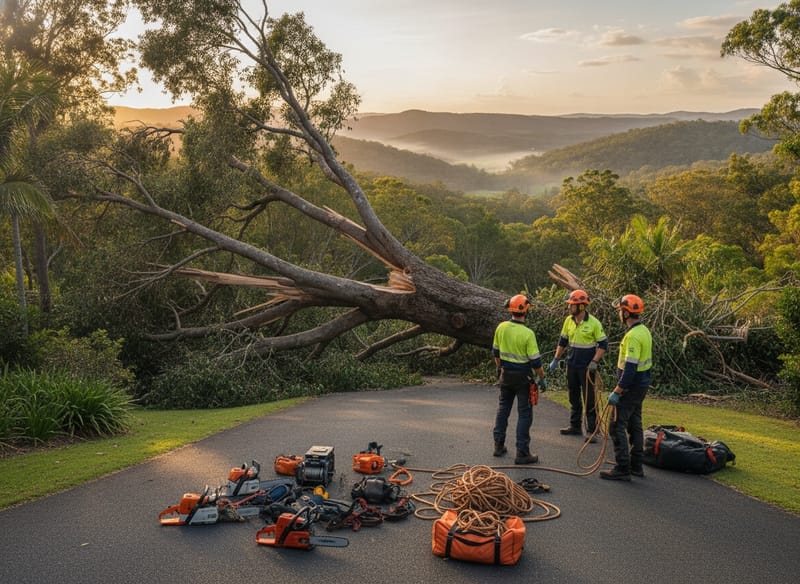
When tropical storms or monsoonal lows cross the region, our storm damage tree removal Mount Sheridan crew clears fallen timber and secures compromised canopies.
Events like Cyclone Jasper and Cyclone Narelle bring multi-day deluge events to Mount Sheridan. Heavy clay soil saturation combined with gusty squalls frequently causes Cadaghi and Mango trees to tear apart along weak internal unions. We specialize in post-event site recovery.
Removing hanging limbs prevents dangerous delayed falls days or weeks after the initial storm event.
Clearing shattered limbs and green waste returns your gardens, driveways, and outdoor living areas to normal.
Professional reports and photos expedite your claim approval with building and contents insurers.
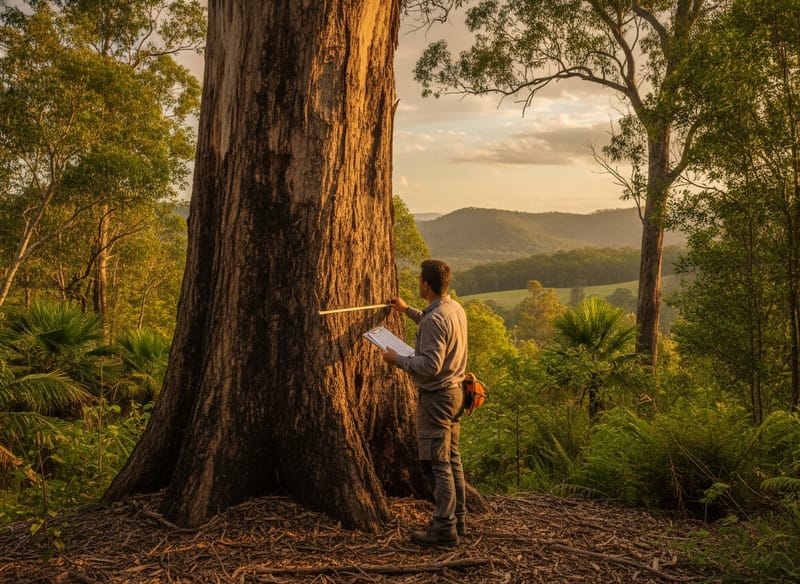
We survey the entire property to map out all fallen trunks, hung branches, and compromised root systems.
We provide a comprehensive written scope and photographic log for your insurer or body corporate.
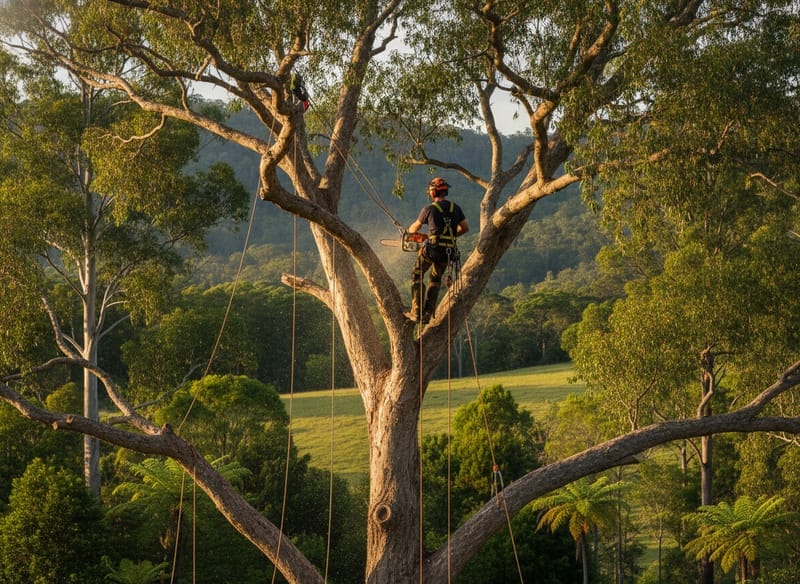
Our qualified team uses chainsaws, ropes, and cranes to systematically dismantle storm timber safely.
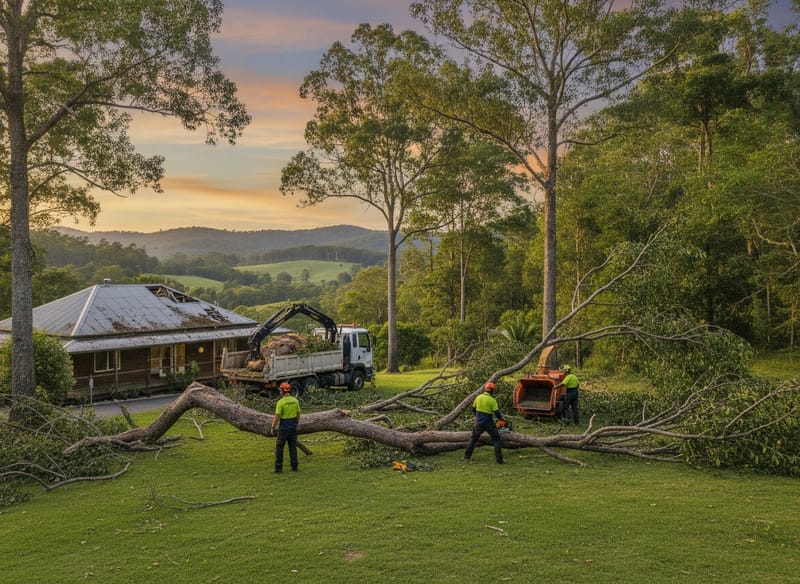
All storm debris is processed through our woodchippers, raking lawns clear of fine twigs and foliage.
When tropical storms and cyclones hit our coastal and hillside properties, the need for immediate Storm Damage Tree Removal Mount Sheridan becomes critical. Cairns is defined by its wet tropics climate, with intense monsoon rains from December to April routinely saturating the soil. When high winds hit saturated ground, massive root-plate failures and heavy canopy fractures are the inevitable result. Our team understands that storm damage doesn't operate on a standard schedule. Whether you are in a newer estate or on an established acreage block, compromised trees pose an imminent threat to your home, fences, and family. A fractured Raintree or a leaning African Tulip isn't just an eyesore; it is a ticking time bomb of stored kinetic energy waiting to drop. We provide rapid, highly experienced emergency responses across the southern growth corridor. Our climbers and truck operators mobilize fast to secure your property, mitigating secondary damage and safely dismantling dangerous timber before the situation worsens.
When severe weather devastates a property, the temptation to fire up a domestic chainsaw and clear the debris yourself is high. Unfortunately, attempting DIY storm cleanup is one of the most dangerous tasks a homeowner can undertake. Hung-up limbs, uprooted trunks, and twisted branches store massive amounts of unpredictable tension. Cutting the wrong structural point can cause heavy logs to snap back or roll, resulting in serious personal injury or catastrophic damage to nearby structures. The aftermath of a cyclone also brings out unqualified operators offering cheap cash jobs. These operators lack the AQF Level 3 qualifications, specialized heavy equipment, and comprehensive insurance required to dismantle storm-damaged timber safely. Worse still, their 'make-safe' techniques often involve illegal lopping or topping. This destroys the structural integrity of the trees you want to save, sparking weak epicormic regrowth that guarantees the tree will fail in the next big blow. Our qualified arborists take a completely different approach. Even during frantic emergency cleanups, we strictly adhere to AS4373 Pruning of Amenity Trees standards. We assess whether a standing-but-compromised tree can be salvaged through targeted selective pruning, or if total removal is required. Our team ensures the immediate hazard is neutralized without condemning your remaining canopy to early decay.
Responding to cyclone and severe storm emergencies requires specialized equipment and proven methodologies. Our climbers and ground crews deploy tailored techniques to safely dismantle compromised timber across Mount Sheridan properties.
We physically walk the property to tag affected trees by priority. Immediate hazards threatening houses, power lines, or essential access points are addressed first, followed by secondary hung-up limbs, and finally ground cleanup of fallen debris.
For massive Raintrees or Milky Pines that have failed over roofs or driveways, our loader cranes and HIABs lift heavy logs directly away from the structure. This eliminates impact forces and prevents secondary structural damage during the removal process.
On steep Mount Sheridan hillside blocks or properties with tight side access where EWPs cannot reach, our AQF Level 3 arborists utilize advanced single-rope and double-rope access techniques to safely dismantle fractured canopies piece by piece.
We deploy high-capacity 12-inch wood chippers and professional ground saws (such as the MS500i) to rapidly break down fallen timber. Bulky branch debris is converted into manageable mulch on-site, rapidly clearing the footprint of the damage.
Saturated wet-season soils commonly drive whole root-plate failures. We safely sever the tensioned root ball, allowing it to settle, and then grind the remaining stump 150–300mm below grade to restore the safety and usability of your yard.
When you call our team for emergency assistance, we follow a strict, structured protocol to secure your property efficiently and safely. Step 1: Rapid Site Assessment. We deploy to your Mount Sheridan address to evaluate the scale of the damage. We photograph all hazards to support your insurance claims and identify the high-priority zones that threaten structures or human safety. Step 2: Securing the Work Zone. Safety dictates every move we make. We establish clear drop zones, secure access pathways, and implement traffic management protocols if fallen timber has compromised roadside verges. Step 3: Make-Safe Operations. Our climbers target the highest-risk elements first. We remove hung-up branches, relieve tension on leaning trunks, and safely lift heavy timber off roofs and fences using heavy-duty rigging or crane assistance. Step 4: Complete Dismantling and Processing. Once the critical hazards are neutralized, we methodically dismantle the remaining compromised timber. Limbs are fed through our heavy-duty chippers, while larger logs are cut to size and loaded into our tipper trucks. Step 5: Cleanup and Insurance Reporting. We rake and clear all debris from your yard. Finally, we provide a highly detailed, line-itemised quote and report, ready for direct submission to your insurer to streamline your claim.
All our emergency response work strictly adheres to AS4373 and rigorous workplace health and safety protocols. We carry full public liability insurance and mandatory WorkCover for our entire team, shielding you from any financial liability during high-risk cleanups. During the active state disaster clearing exemption following Severe Tropical Cyclone Narelle (running until March 2027), we ensure all hazard removals are documented properly. We photograph the damage before cutting begins and keep written justification for the clearing. This strict adherence to safety standards and record-keeping ensures your insurance claims are easily processed and that you remain fully compliant with state and local regulations.
Mount Sheridan presents unique challenges during the wet tropics storm season. Sitting squarely in the southern growth corridor, properties here endure a mix of extreme monsoon rainfall, saturated soils, and localized wind tunnels. This environment is notorious for causing massive root-plate failures, especially with heavy-canopy exotics like Mango trees and unstable African Tulips.
Under the CairnsPlan 2016, Cairns Regional Council typically requires an Operational Works permit to clear assessable vegetation. However, dangerous trees have a narrow exemption. If a tree poses an imminent risk of serious personal injury or damage to infrastructure, emergency removal is permitted.
Our Certified Level 5 Arborists step in to provide the required photographic evidence and written justification to ensure your storm cleanup remains legal. Whether it is a collapsed Cadaghi tree in a tight suburban lot or fractured Milky Pine limbs on an acreage boundary, we know exactly how to manage the terrain and the council paperwork.
After the immediate storm damage has been cleared, keeping your property resilient requires proactive maintenance. We highly recommend booking our team for a pre-cyclone season inspection every October. By selectively pruning and crown thinning heavy canopies like Raintrees and Golden Pendas, we drastically reduce wind resistance before the monsoon season begins. Monitor the ground around any newly removed stumps for signs of subsidence as the organic matter breaks down. If you notice remaining trees displaying new leans, root plate lifting, or fresh hanging deadwood after a severe weather event, call our team for a secondary assessment.
Storm cleanup costs in Mount Sheridan depend on the volume of green waste, degree of structural entanglement, and machine access.
We provide detailed, itemised quotes outlining all labour and equipment required for complete cleanup.
We provide storm damage tree removal across Mount Sheridan and surrounding Cairns communities.
Contact our qualified arborists for safe storm cleanup, branch removal, and insurance reports.
Get a Free Quote