Safe Property Recovery
Eliminate the hidden dangers of twisted limbs, spring-loaded branches, and unstable root systems.
Comprehensive storm cleanup, fallen branch clearing, and insurance documentation across Trinity Beach.
Delivering storm damage recovery throughout Trinity Beach and Cairns northern beaches.
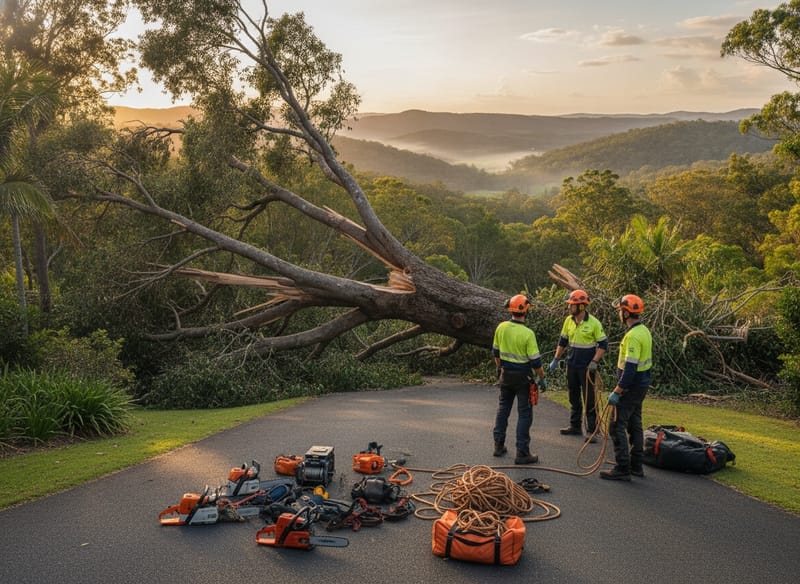
Severe weather events, tropical lows, and cyclones leave a heavy trail of destruction across Trinity Beach gardens. Our storm damage tree removal Trinity Beach service handles multi-tree cleanup, fractured canopies, hung-up limbs, and uprooted trees. We clear debris systematically, make standing trees safe, and provide complete documentation for property owners and insurers.
Events like Tropical Cyclone Jasper and severe coastal gales leave Trinity Beach trees saturated and structurally weakened. Damaged poincianas, palms, and figs often require immediate corrective pruning to prevent secondary failure in follow-up winds.
Eliminate the hidden dangers of twisted limbs, spring-loaded branches, and unstable root systems.
Clear, professional arborist invoices and photographic records make insurance claim submission straightforward.
Qualified remedial pruning restores structural balance to damaged trees so they can recover naturally.
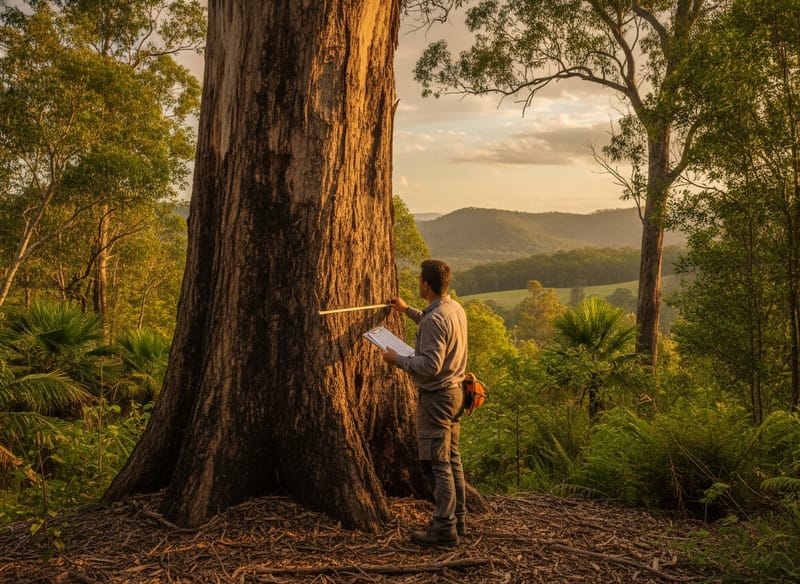
We survey the entire property to identify unstable trees, hung branches, and urgent safety priorities.
We relieve high-risk tension points, dismantle trees on structures, and secure the perimeter.
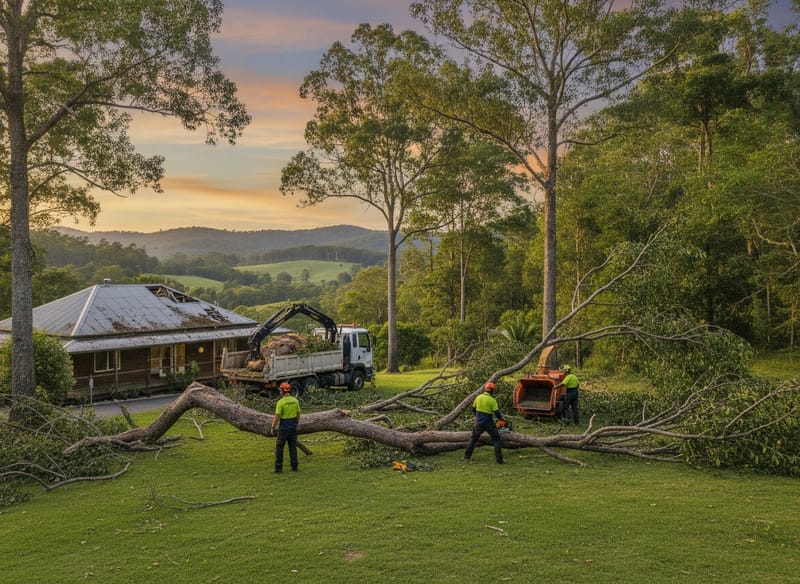
We cut up fallen timber, process brush through our woodchipper, and stack or haul away logs.
We perform AS 4373 remedial pruning on surviving damaged trees to balance their crowns for future growth.
When tropical cyclones and heavy monsoon rains hit the northern beaches, the aftermath requires swift and safe action. If you need Storm Damage Tree Removal Trinity Beach, our local arborist team is ready to respond. The wet tropics climate brings saturated soils and intense wind loads, meaning whole root plates can fail and heavy canopies can snap in an instant. We regularly see massive African Tulips, overgrown Raintrees, and mature Mango trees come down across fences and driveways here on the sandy coastal strip. Whether you are a homeowner near the esplanade or managing an acreage property tucked back towards the Smithfield hills, clearing hazardous timber safely is our priority. We arrive with the heavy gear—cranes, tracked EWPs, and high-capacity chippers—to get the heavy timber off your roof, driveway, or power lines so you can begin the recovery process. Our team understands the specific pressures of the Cairns cyclone season. We focus on urgent triage, structural safety, and providing the immediate, heavy-duty response required to protect your family and property.
After a severe weather event, the urge to fire up a chainsaw and tackle downed branches yourself is strong. But storm-damaged timber is incredibly unpredictable. A hung-up limb or a partially failed root plate holds immense stored energy. One wrong cut can cause a massive trunk to roll, snap back, or drop suddenly, putting lives and property at extreme risk. Undercutting or poor DIY chainsaw work often turns a manageable cleanup into an expensive, life-threatening disaster. Furthermore, unqualified operators pouring into town after a cyclone often rely on poor lopping or topping techniques. Chopping a damaged tree back to bare stubs might seem like a quick fix to reduce its size, but it permanently compromises the tree's structural integrity. This encourages weak, rapid epicormic regrowth that becomes a major hazard during the very next wet season. Our solution is rooted in safety and arboricultural science. We follow strict AS4373 Pruning of amenity trees standards to either salvage standing-but-compromised trees with correct branch collar cuts, or safely dismantle completely failed trees. We use rope access, EWPs, and cranes to eliminate the unpredictable variables, cleanly removing the hazard without causing secondary damage to your property.
When we arrive at a severely damaged property, we follow a rigorous operational standard to ensure rapid, safe, and effective hazard removal. Here is how our team handles the heavy lifting after a severe weather event.
We first walk the property to categorise hazards. Priority one is immediate risk—trees fallen on roofs, crushing vehicles, or bringing down power lines. We secure hung-up limbs and relieve tension before tackling secondary ground cleanup.
For large Mango or Weeping Fig trees dropped onto structures, we use advanced rigging and mobile cranes. This allows us to lift massive sections of timber up and away from your house, completely bypassing the damaged structure underneath.
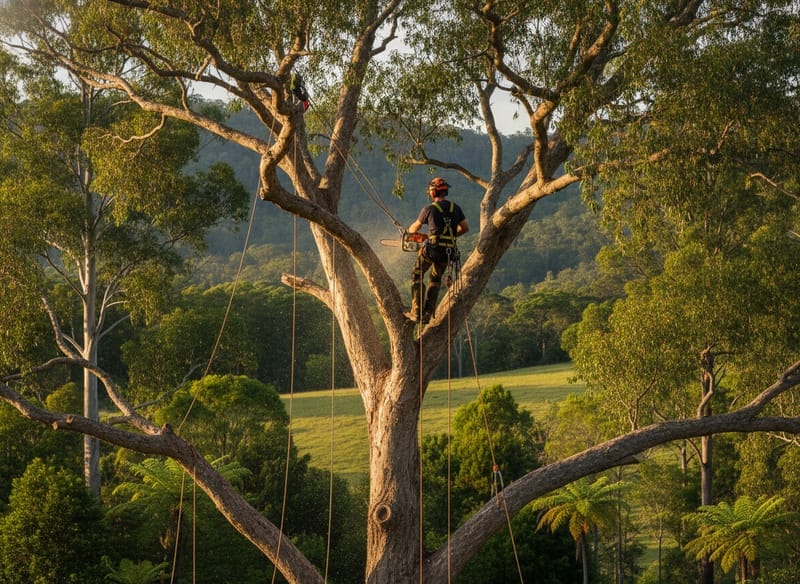
For standing-but-compromised trees that cannot be reached by a crane, our AQF Level 3 climbers utilize twin-rope techniques, while our Elevating Work Platforms (EWPs) allow us to safely dismantle shattered canopies piece by piece.
Before making a single cut, we photograph the failed vegetation and document the extent of the damage. We provide detailed, itemised quotes formatted specifically for your insurance provider to streamline your claim.
We deploy 12-inch capacity wood chippers and tipper trucks to process the massive volume of green waste generated by a cyclone. The site is raked, swept, and left clear of dangerous debris.
When a cyclone or heavy wet-season storm strikes, our process is designed to bring order to the chaos as quickly as possible. First, you contact us for an emergency assessment. We gather details on whether the tree has breached your home, blocked access, or if power lines are involved. We then dispatch our team to conduct a rapid triage. We identify the primary hazards and provide a make-safe plan alongside an itemized quote designed specifically for insurance claims. Photo documentation of the hazard is taken to ensure your insurer has the exact evidence they need. Once approved, the heavy machinery rolls in. We deploy cranes, EWPs, and high-capacity chippers to dismantle the hung-up canopies or failed trunks. Our climbers carefully secure and rig heavy timber, lowering it safely to the ground rather than letting it crash onto your lawn or fences. Finally, we process all the green waste. Branches are chipped into mulch, massive logs are craned onto tipper trucks and removed, and the area is systematically raked clean. We leave your Trinity Beach property secure, safe, and ready for any necessary building repairs.
Storm recovery is inherently dangerous, which is why our climbers and ground crews are strictly qualified. Our on-site operators hold AQF Level 3 in Arboriculture, Tree Felling tickets, and specialized EWP and Working at Heights certifications. Where council requires a formal hazard assessment for a standing tree, our AQF Level 5 consulting arborist can provide the necessary risk reports.
We are fully insured with comprehensive public liability and WorkCover, protecting your Trinity Beach property throughout the entire operation. Every salvage prune we perform aligns with AS4373 standards, and if clearing occurs on a development site, we operate strictly under AS4970 guidelines for the protection of retained trees.
Trinity Beach faces a unique combination of sandy coastal soils, salt exposure, and intense tropical weather. Saturated wet-season soil combined with thunderstorm winds is the primary failure mechanism here. Whole root plates of heavy-canopied Raintrees and towering Coconut Palms often let go entirely during a cyclone, rather than just snapping branches.
Under the CairnsPlan 2016, any tree over 7.5m tall is classified as a Significant Tree, usually requiring an Operational Works permit for removal. However, dangerous trees have a specific exemption if they pose an imminent risk to life or infrastructure—which must be verified by a Level 5 Arborist.
Crucially, following Severe Tropical Cyclone Narelle in March 2026, a state disaster clearing exemption remains active until March 2027. This allows residents to remove fallen trees and woody debris to prevent property damage without a standard permit. Our team handles the required photographic evidence and written justifications to keep you entirely compliant while clearing the hazard.
Once the emergency removal is complete, your remaining trees require attention. Cyclones can cause microscopic fractures in standing timber that may not fail for months. We recommend scheduling a comprehensive canopy inspection for any surviving large species like Weeping Figs or Milky Pines to check for hidden splits, twisted limbs, or compromised unions.
To prepare for the next wet season, book us in for formative pruning and deadwooding between May and October. By thinning the canopy and reducing wind resistance in accordance with AS4373, we drastically lower the chances of root plate failure when the tropical monsoons return.
Storm cleanup costs depend on the volume of fallen timber, structural complexity, and machinery required.
We provide honest, fixed-scope quotes and insurance-compliant invoices for storm restoration work.
Providing post-storm tree recovery across Trinity Beach and surrounding northern suburbs.
Contact our experienced arborist crew to clear storm debris and restore safety to your property.
Request Storm Cleanup